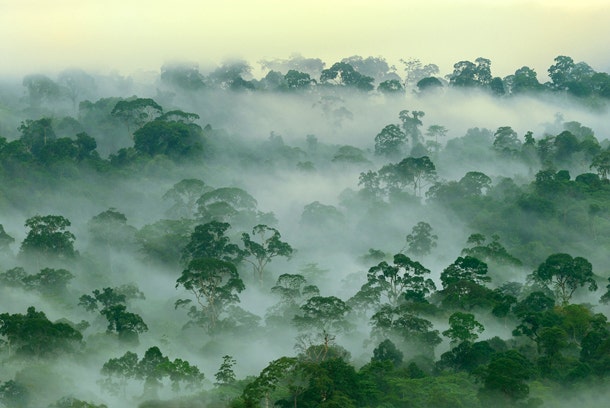
Over the past five years, I’ve noticed a major shift happening in Costa Rica’s real estate market. More and more buyers are coming here not just looking for a home, a view, or an investment property, but looking for something with deeper meaning. They want to protect land. They want to preserve forests, water sources, wildlife, and natural ecosystems for the future. In many ways, conservation itself is becoming one of the most valuable investments people can make.
Costa Rica has always attracted people who feel connected to nature, but today’s buyers are thinking differently than they did even a decade ago. There’s a growing awareness that undeveloped land has value far beyond what can be built on it. Buyers are beginning to ask bigger questions before purchasing property. How can this land be protected long term? How can development coexist with nature instead of replacing it? How can ownership contribute positively to the environment and future generations?
That mindset is creating a powerful new trend across the country, especially in regions with large acreage, primary forest, rivers, and healthy ecosystems. We are seeing more people purchasing jungle land, regenerative farmland, forest reserves, and large private estates with the intention of preserving them, restoring them, or developing them very carefully and responsibly.
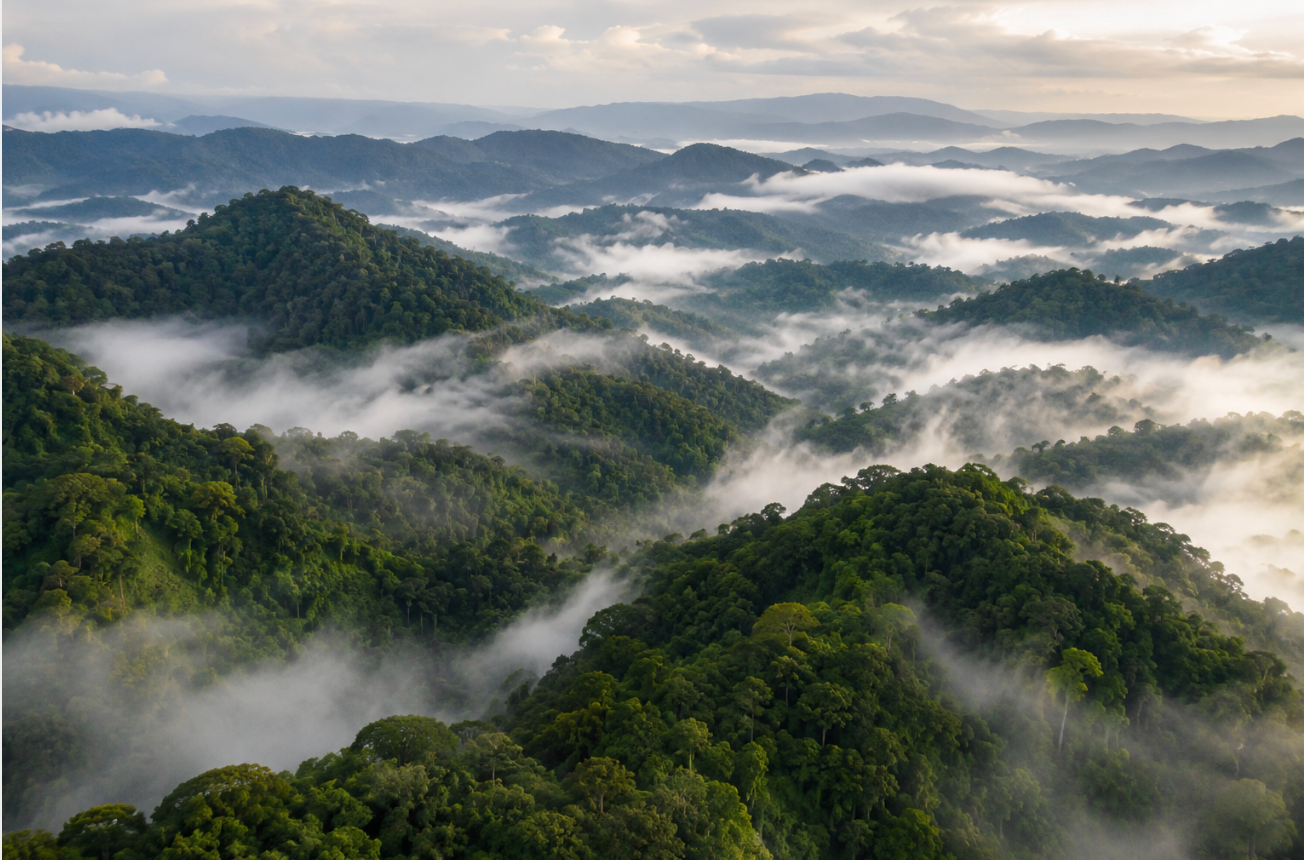
Costa Rica is uniquely positioned for this movement because conservation has already been part of the country’s identity for decades. Even though Costa Rica is a relatively small country, it holds nearly 6% of the world’s biodiversity. Roughly a quarter of the country is already protected through national parks, reserves, and conservation areas. That commitment to environmental protection transformed Costa Rica into one of the world’s leading eco tourism destinations and helped preserve much of what makes this country so extraordinary today.
But what’s becoming increasingly important now is private conservation. Landowners are starting to play a much bigger role in protecting ecosystems outside of national parks. In many areas, private land is helping preserve wildlife corridors, watersheds, forests, and biodiversity that are critical to the long term health of the environment.
One of the biggest conversations surrounding conservation real estate today is water. Healthy forests are directly connected to healthy water systems. Forests help regulate rainfall, protect watersheds, prevent erosion, recharge aquifers, and preserve rivers and springs. In Costa Rica, where many communities rely on natural water sources, protecting land upstream has a direct impact on long term water security.
As climate patterns continue to change globally, access to clean and reliable water will become one of the most important resources in the world. Because of that, properties with natural springs, rivers, intact forest, and protected watersheds are becoming increasingly valuable, both environmentally and financially. Buyers are recognizing that preserving land is not just about saving trees, it’s about protecting entire ecosystems that support life.
Another important part of this movement is biodiversity and ecosystem connectivity. Costa Rica’s wildlife depends on connected habitats that allow animals to move safely between forests, mountains, rivers, and coastal regions. Without these wildlife corridors, ecosystems become fragmented and species struggle to survive over time.
This is especially important for species like monkeys, scarlet macaws, tapirs, jaguars, and migratory birds that require large natural areas to thrive. In regions experiencing rapid development, private conservation is becoming essential in maintaining these natural connections. More buyers today understand that preserving forest cover and developing responsibly can have a meaningful environmental impact far beyond the boundaries of a single property.
Nowhere is this more evident than in the Osa Peninsula and Golfo Dulce region of southern Costa Rica. This area is often described as one of the most biodiverse places on Earth, and once you experience it, it’s easy to understand why. The Osa contains some of the last remaining primary rainforest in Central America and supports an extraordinary concentration of wildlife and marine life. Jaguars, pumas, tapirs, monkeys, scarlet macaws, whales, dolphins, sea turtles, and countless plant and animal species all exist within this incredibly rich ecosystem.
Golfo Dulce itself is one of the only tropical fjords in the world, creating a rare marine environment that supports exceptional biodiversity both above and below the water. These ecosystems are globally significant, not only for Costa Rica, but for the health of the planet as a whole.
As global awareness grows around biodiversity loss and climate resilience, land in places like the Osa Peninsula is increasingly being viewed differently. Buyers are not just purchasing property there because it is beautiful. Many are purchasing land because they genuinely want to protect it and become stewards of something larger than themselves.
At the same time, regenerative agriculture and land stewardship are also becoming much more popular throughout Costa Rica. We are seeing increasing interest in regenerative farms, food forests, agroforestry projects, permaculture communities, and reforestation initiatives. Buyers are recognizing that farmland can be productive while also restoring ecosystems, rebuilding soil health, supporting biodiversity, and protecting water systems. This approach creates a healthier and more sustainable relationship between people and the land.
There is also growing conversation around carbon credits and environmental incentives tied to conservation. Costa Rica has long been a global leader in environmental policy, and as carbon markets continue to evolve internationally, protected forests and reforestation projects may create additional financial opportunities for landowners in the future. While these systems are still developing, the long term direction is clear. Protected ecosystems are becoming more valuable, not less.
What I find most meaningful about this trend is that it reflects a longer term way of thinking. Many buyers today are no longer focused only on immediate returns or maximizing development potential. They are thinking about legacy. They are asking what their ownership will contribute decades from now. Will these forests still exist for future generations? Will wildlife still be able to move freely through these regions? Will clean water still flow from these mountains?
For me personally, this is something deeply meaningful. I was partially raised in the Osa Peninsula and grew up understanding the incredible value of healthy ecosystems and the importance of protecting nature. Spending time in one of the most biodiverse regions on Earth leaves a lasting impression. It teaches you that these forests, rivers, and wildlife are not just beautiful, they are truly irreplaceable.
That perspective has shaped the way I view real estate in Costa Rica today. It is an honor and a privilege to help people find extraordinary pieces of land that can be thoughtfully protected and preserved into the future. In many ways, conserving these landscapes is one of the most valuable legacies we can leave behind for future generations, because once places like these are lost, they can never truly be recreated.
I truly believe this trend will continue to grow in Costa Rica over the coming years. As more people around the world seek sustainability, environmental connection, and purposeful investment, conservation driven land ownership will continue becoming one of the defining parts of Costa Rica’s real estate future. For many buyers, protecting land may ultimately become one of the most meaningful investments they ever make.




Responses