Highlights
- Why Mal Pais Is on the Map
- Why Invest in Mal Pais? Market Drivers
- Land Purchases in Mal Pais: Pros, Cons & Scenarios
- Home Purchases in Mal Pais: Pros, Cons & Scenarios
- Land vs. Home Purchases: A Side-by-Side Comparison
- Key Considerations for Foreign Investors
- The Investment Outlook in Mal Pais
- Choosing the Right Path
- What We Can Do For You
Why Mal Pais Is on the Map
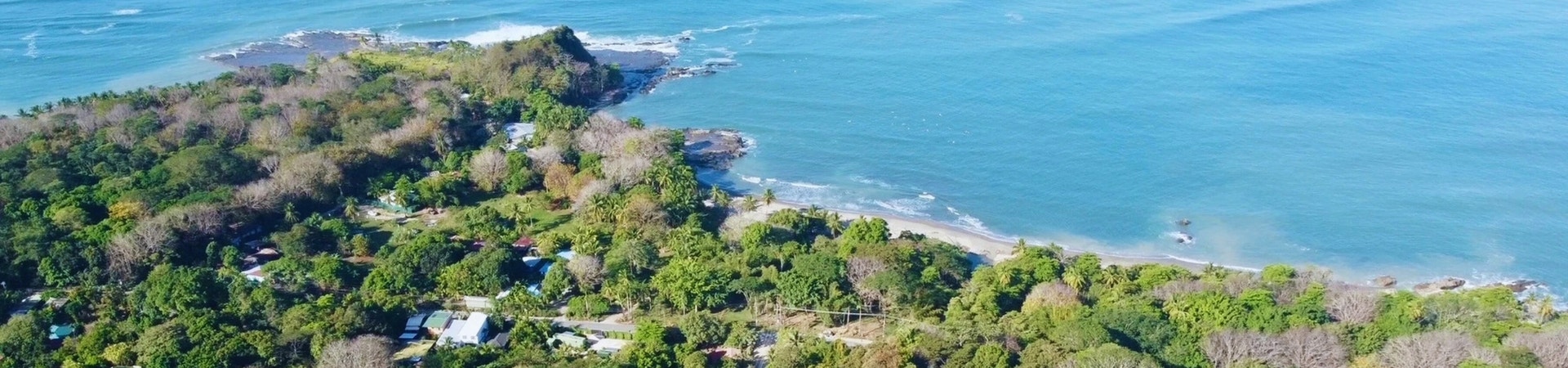
On the southern tip of Costa Rica’s Nicoya Peninsula, Mal Pais sits quietly next to its world-famous neighbor, Santa Teresa. Known for pristine beaches, lush jungle hills, and a laid-back vibe, Mal Pais is quickly drawing attention from real estate investors. While Santa Teresa has become bustling and high-priced, Mal Pais remains less crowded, more wild and more spaced out. Prices in Mal Pais have always been a bit lower than Santa Teresa — but it won’t stay that way for long.
For anyone considering Costa Rica real estate, one of the first questions is: Should I buy land or purchase an existing home? Both options have advantages, risks, and timelines. This guide breaks it down with real numbers, examples, and insights tailored to investors, lifestyle buyers, and anyone curious about this growing market.
Why Invest in Mal Pais? Market Drivers
Mal Pais is no longer just a quiet fishing village. Several factors are fueling its rise as a high end residential hotspot:
- Tourism growth: Santa Teresa has become a global surf and wellness destination, spilling demand into Mal Pais. Travelers looking for tranquility and eco-luxury are increasingly choosing Mal Pais because of its accessibility, beauty, and pristine nature.
- Infrastructure upgrades: Improved roads, high-speed internet expansion, and easier access from San José via domestic flights to Cobano Airport have made the area more attractive to investors.
- Lifestyle appeal: Surfing, yoga, boutique hotels, and eco-retreats dominate the local culture. The Nicoya Peninsula is also one of the world’s ''Blue Zones'', associated with longevity and wellness.

Land Purchases in Mal Pais: Pros, Cons & Scenarios
Pros of Buying Land
- Lower entry price: Depending on size and location, land can be significantly cheaper than a home. Agriculturally zoned, residential, ocean view lots start around $80–$120 per m2, while smaller lots that are walking distance to the beach will have a higher price per m2.
- Flexibility: Investors can build villas, boutique hotels, or eco-lodges, tailoring the property to their vision.
- High appreciation: With limited supply and growing demand, raw land close to the beach is appreciating rapidly.
- Long-term play: Land in Mal Pais is scarce. Buying and holding without immediate construction can still generate profit.
Cons of Buying Land
- Permitting challenges: Building requires water availability or concessions, municipal permits, and adherence to maritime zone laws.
- Slower ROI: Returns are delayed until construction is completed.
- Development costs: Roads, electricity, and water hookups can add significant expenses and long waiting periods to completion.
- Management: Without construction, raw land doesn’t generate income.

Home Purchases in Mal Pais: Pros, Cons & Scenarios
Pros of Buying a Home
- Immediate income potential: A turnkey villa can be listed on Airbnb within weeks of closing.
- Lifestyle + ROI: Owners can both use and rent their property.
- Less complexity: Avoids construction delays, permits, and infrastructure challenges.
- Market appeal: Luxury homes in Mal Pais are in high demand, especially from remote workers and digital nomads seeking long stays.
Cons of Buying a Home
- Higher upfront costs: Homes typically start around $400,000–$600,000 inland and reach $1M+ for ocean view homes and $2M+ for beachfront.
- Maintenance: Tropical conditions mean regular upkeep for roofs, pools, and woodwork.
- Limited customization: Renovating is possible but not as flexible as starting from scratch.

Typical Home Prices (2025 Estimates)
- Inland 2–3 bedroom homes: $400,000–$800,000
- Ocean-view villas: $800,000–$1.5 million+
- Beachfront luxury estates: $2 million+
Rental Yields
- Average nightly rate for a 3-bedroom villa in Mal Pais: $400–$800/night in high season
- Occupancy: 75–85% during December–April; lower in rainy months but stable with long-term rentals
- Estimated annual gross yield: 6–8%, depending on property type and management
Land vs. Home Purchases: A Side-by-Side Comparison
| Factor | Land | Home |
| Entry Price | Lower ($80–$150 per m2 inland) | Higher ($400k–$2M+) |
| Flexibility | High – design from scratch | Low – limited changes |
| Time to ROI | Longer (construction required) | Faster (rental-ready immediately) |
| Risk | Permitting, infrastructure costs | Market fluctuations, maintenance |
| Who It Fits | Long-term investors, developers | Lifestyle buyers, rental investors |
Key Considerations for Foreign Investors
Investing in Costa Rica, and specifically in Mal Pais, requires understanding the legal framework:
- Titled vs. concession land: Properties within 200m of the high-tide line fall under the maritime zone and are concession-based, not fully titled. These require careful due diligence.
- Water rights: Securing a registered water source (ASADA, well, or concession) is essential for building permits.
- Local expertise: Always work with a reputable Costa Rican lawyer and notary to verify ownership, zoning, and permits.
- Financing: Most transactions are cash-based; foreign financing options are limited.
- Taxes: Property taxes in Costa Rica are relatively low (0.25% of registered value), but luxury homes may incur additional taxes.

The Investment Outlook in Mal Pais
Over the next 5–10 years, Mal Pais is expected to mirror Santa Teresa’s growth trajectory, though with a focus on eco-conscious and low-density development. Investors who act now benefit from:
- Lower buy-in costs compared to Santa Teresa.
- Strong appreciation potential as demand grows.
- Rental markets that are becoming increasingly profitable.
- An attractive balance of lifestyle and return on investment.
Choosing the Right Path
Whether land or home is the smarter purchase depends on your investment profile:
- Buy land if you’re a long-term investor, developer, or someone who wants to design a project from scratch.
- Buy a home if you want immediate rental income, personal use, and less complexity.
Both paths can be profitable in Mal Pais — what matters most is aligning your choice with your goals.

What We Can Do For You
If you’re considering investing in Mal Pais, whether land or a home, guidance from someone who knows the market is invaluable. My team and I specialize in real estate in this region and can help you find the right property, contact me now, navigate the legal process, and make sure your investment works for you.



Responses