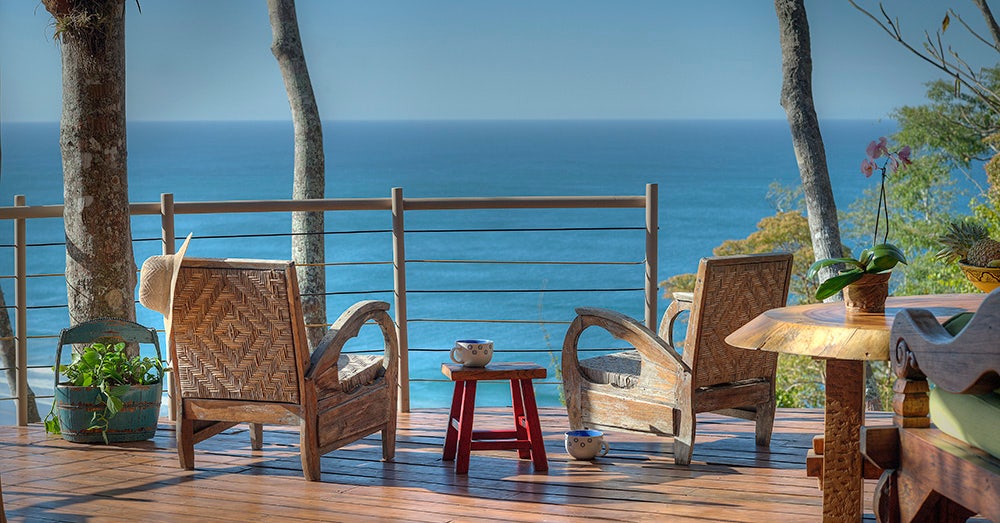
Which is better – to purchase a finished house OR to buy land and build your dream house from scratch? This is a question we hear often from our clients. The answer obviously depends on your very specific situation – your plan, your timeframe, your patience and your budget!
It is most certainly true that the price of a good quality, finished house will include a premium to account for (a) the time value of money – your house is ready for you to move in or to rent out immediately, and (b) the hassle that can be perceived to be involved in going through the building process -ie. dealing with architects, engineers, the municipality, bureaucratic permitting, and builders, as well as working through issues that pop up or the inevitable delays that can occur on any building project anywhere in the world.
The decision to build will factor in more than just the possible price difference. The questions you will need to ask yourself are:
- Do I have the time and energy to take on a big project and a big adventure? Building from scratch can either be a hassle or an adventure, depending on your perspective!
- Do I have a dream house and a dream design in mind that I have my heart set on?
- Do I need a house that is ready immediately for me to use or to generate income on?
- Do I have a trusted team in place to help me through the building process? – this would include first of all a good architect, followed by a good construction company or team. We are happy to help with recommendations of architects and builders that we have worked with in the past and that we know do great work.
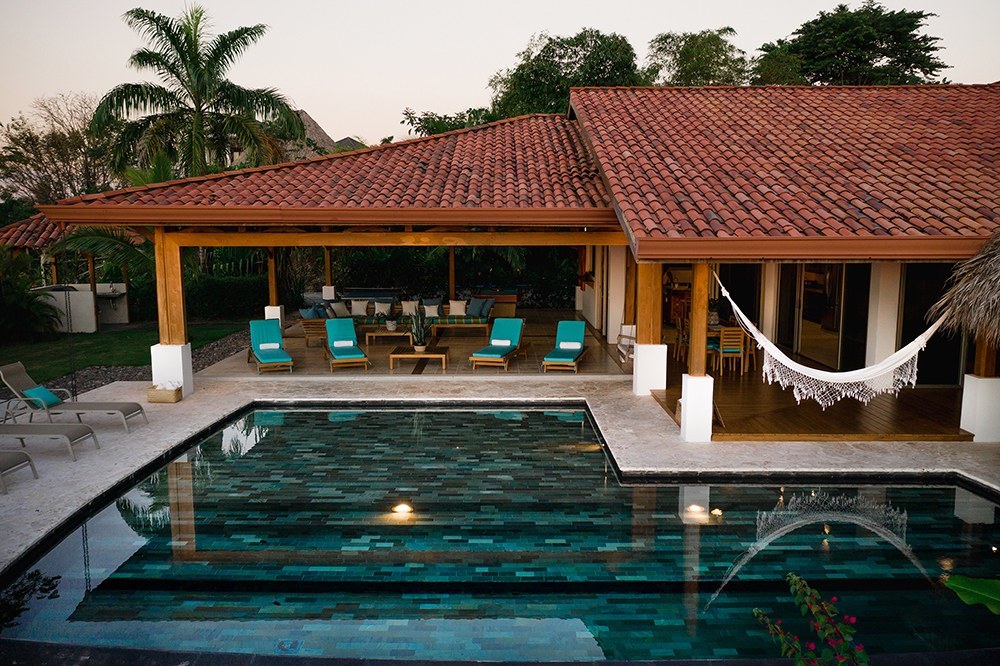
To help you in your decision, below is a summary of how the building process works here in Costa Rica.
(1). Purchasing the Right Piece of Land: the important first step is making sure that the land you are buying is the right fit for your building project. During the due diligence process your lawyer will want to see a Land Use Certificate (Uso de Suelo) from the Municipality, which will set out the permitted uses for the property and also any limitations on construction. Another important question is - what is the legal water source for the property and is it sufficient for my building project? Without a legal water source that provides sufficient water, the Muni will not grant a building permit.
(2). Architectural Plans: Once you have purchased the property you will work with your chosen architect to start visualizing in more concrete details the lay-out of the house. Your architect will create renderings and designs, which you will discuss together in detail and adjust until you are both happy. Once finalized, the plans will be sent to CFIA (the Costa Rican Chamber of Architects and Engineers) for their approval.
(3). CFIA: CFIA approval will usually take about a week to obtain, depending upon the complexity of your project. The CFIA will calculate a value for the construction, which will be used by the Municipality to calculate the taxes that will need to be paid in order to obtain the building permit.
(4). Submitting Your Plans for Building Permission: Once you have the CFIA approval, the next stage it to submit your plans for approval at the Municipality. In order to do this you will need the following documents:
- Signed building permit application
- Copy of your identification – either cédula or passport
- Plat Map for the property
- Proof of legal water source – either the well registration documents or a letter from the municipal water company (the AyA)
- Registry Document proving ownership of the Lot
- Architectural building plans approved by the CFIA.
- Signed contract with your architect

It is now possible to submit your building permit application electronically, through the new online APC system. Or, you can present all the paperwork to the Municipality in Cóbano in person. The Municipal engineer then has one month to approve your application, or to request further information.
At the approval of the building permits you will need to pay a tax to the Municipality which is calculated as 1% of the value allocated to the construction by the CFIA. You will also need to pay the INS (the national insurance agency) 1.5% of the construction value allocated by the CFIA.
(5). Getting Quotes from Builders: Whilst you are waiting for your building plans to be approved by the Municipality, you can start interviewing builders and getting quotes. It is a good idea to get at least two different quotes from builders that have been recommended to you. We would be happy to provide a list of builders that we have seen do some great projects in our area.
(6). Preparing the Land for Building: The other step you can get done whilst waiting for your building permission to come through, is prepare the land for building. This would include creating access ways or building platforms (remember that if you are moving a lot of earth you will need to get permits for this); getting your water or electricity hook-up ready (with the CFIA approved plans you are able to get the meters installed and hooked-up); and any other preparation work required on the ground.
(7). Building: Once the building permission is granted, you can start building. The Municipality may pass by during construction to check on progress, but this really depends on the complexity and impact of your project.
Building Costs: The cost of building will obviously depend on the type and quality of construction and finishings you decide upon. But to give you a very general idea – building costs for a good quality house of either concrete or lightweight construction materials, can start at $1,500/m2 ($150/ ft2) and go up to $2,500/m2 ($250/ ft2) and above depending upon the details and the level of finishings required.
I hope that this blog post has been informative and helpful. If you need any advice or recommendations for professionals to help you during your building process, don’t hesitate to reach out to us. We would be very happy to provide you with our list of recommended architects and builders.





Responses